Le Roux (Botter) Breytenbach
Welkom084 451 9050


Le Roux (Botter) Breytenbach
Welkom


MENU


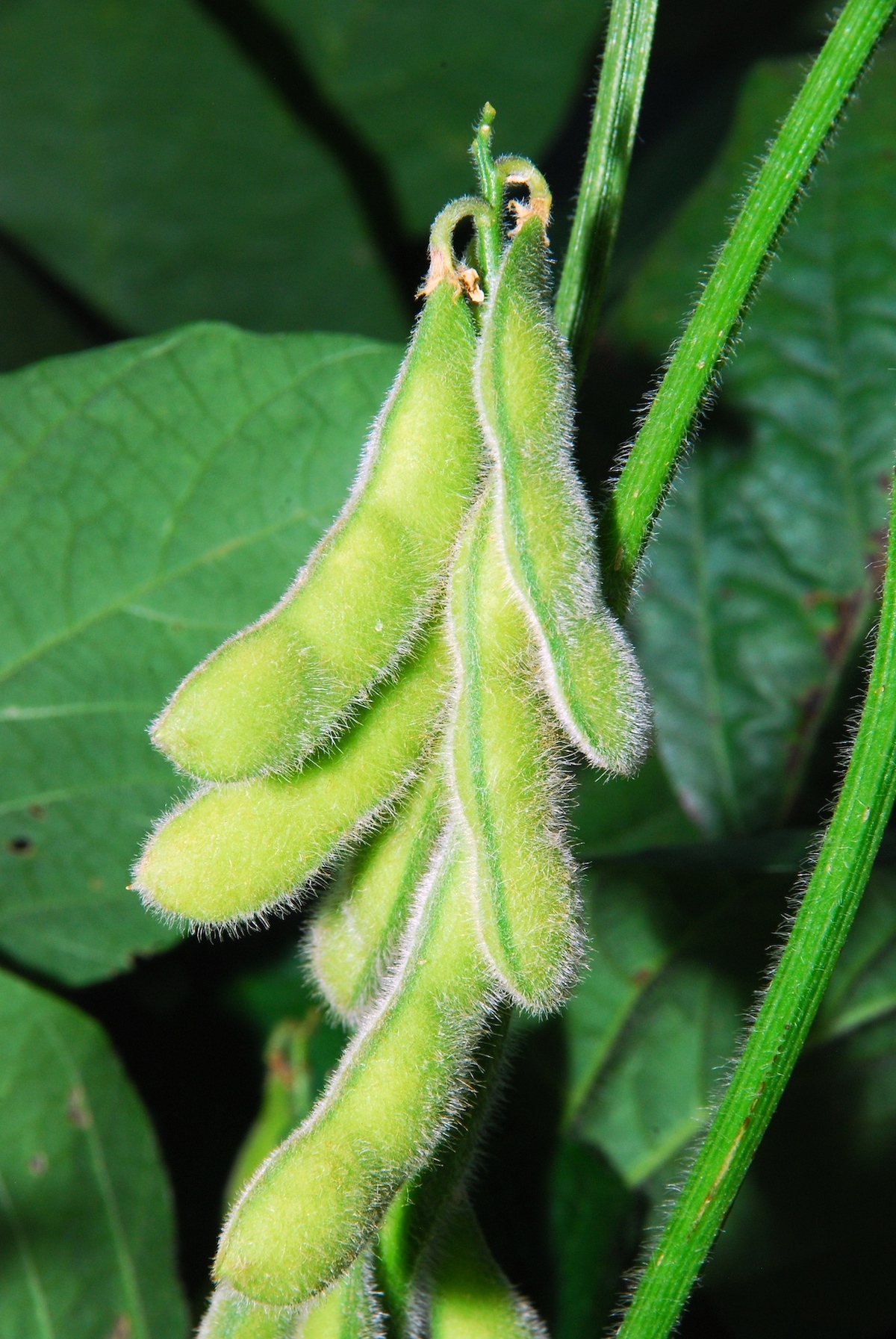
By Nico Barnard, agronomist: Central Highveld, Pannar Seed
Pannar’s soya bean cultivars demonstrate excellent performance and stability over different yield potentials, production areas and seasons. These cultivars provide a winning combination of yield and agronomic traits, allowing producers to plant with confidence. The package includes a full range of maturity groups (MG) covering almost all planting dates, planting densities and production areas’ needs.
The new PAN 1479R
This is a new glyphosate-tolerant quick (MG 4,6) cultivar that replaces PAN 1454R. PAN 1479R is recommended for the main planting window in cool production areas. It is also recommended for eastern temperate production areas as part of a cultivar package, or where a quick cultivar is required to extend the harvesting phase over a longer period.

Cultivars for different areas
Plant density, planting date and growth class are crucial factors to consider when selecting cultivars. Cultivars are classified into twelve MGs, from maturity group 00 to 9, with 00 being the quickest and 9 the longest or latest growth class. This division is determined by the daylight length a cultivar needs to develop optimally.
An MG 9 cultivar is suitable for planting in areas close to the equator, and MG 00 for areas as far north or south of the equator as possible. In South Africa, cultivars in MG 4,5 to 7,5 offer good crop security for local conditions.
Soya beans should be planted at the same time or even before maize. As daylight length decreases along with the season after 22 December, plants start transitioning from vegetative growth to reproductive development (flowering). Regardless of the planting date, different plantings flower close together. The benefit of planting early is larger plants due to better vegetative growth. This results in more plant internodes and then buds, from which flowers form to produce pods.
Regarding plant density, the seedlings need to be protected for an optimal plant population. In the period between germination and emergence, the neck of the soya bean seedling is extremely sensitive and can easily break off. Tillage and planting depth greatly influence the survival of seedlings. The deeper the seed is planted in the soil, the thinner the neck extends to get above the soil surface and the greater the risk for damage.
Disc harrowing a soya bean field between planting and the emergence of seedlings is not recommended. Plant population depends on soil type, farming practices, row widths and planting date. With early planting dates, a slightly reduced plant population can still be effective, but it is better to establish a higher plant population.


Selecting cultivars from MGs
A package of different cultivars is highly recommended. Table 1 summarises the average performance in the Agricultural Research Council’s (ARC) national trials over five years per growth class for the different regions. This indicates the most suitable MG per production region.
In Table 2, the cultivars are arranged in different growth classes and the optimal package composition is indicated, i.e. the optimum percentage that each growth class can make up of the package to manage risk optimally.
When there is no rain in February or March, MG 4,5 to MG 5,5 will perform better than MG 5,5 to MG 7,5. The opposite applies if there is satisfactory rainfall during the second half of the season. Over the long term, MG 5 and MG 6 have been found to give the most stable yields and most of the cultivar package should be composed of these growth classes.
Pannar offers a complete range of cultivars composed of different growth classes and traits to meet almost all planting date and production area combinations. Coupled with our expertise in local conditions, exceptional agronomic support and development programmes, we provide excellent advice to producers to optimise production.
For more information, contact Nico Barnard at
nico.barnard@pannar.co.za
or 082 850 1503.


 News
News
 Farmer Stories