Hendri Strydom
Jacobsdal066 299 9751


Hendri Strydom
Jacobsdal


MENU


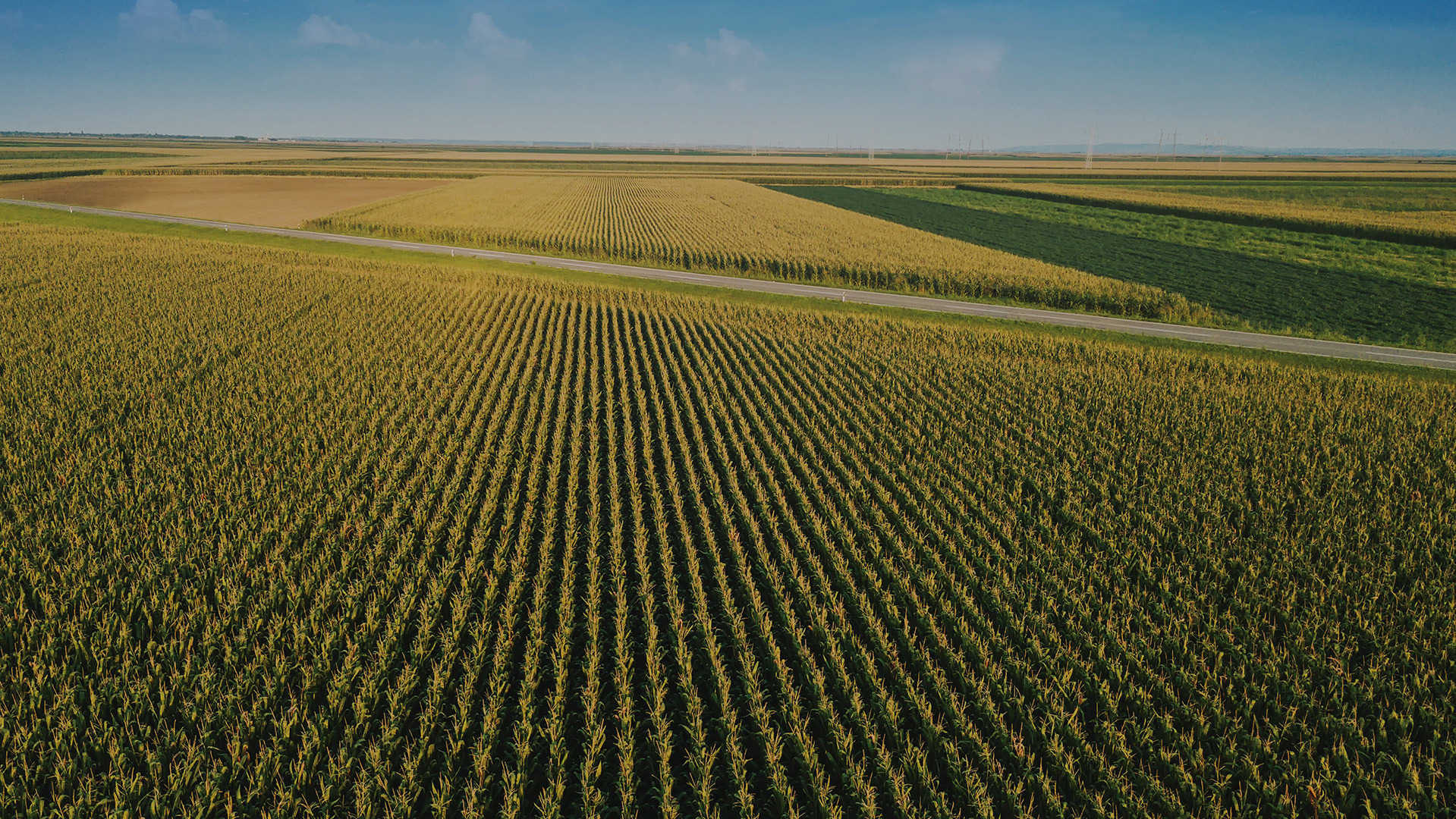
Pannar’s agronomy team boasts a century of collective experience in seed technology, agro-chemicals, mechanisation, soil science, marketing, markets and more. Our broad crop portfolio and geographic footprint means that our team has multi-crop experience across the varied microclimates in South Africa. Take advantage of their accurate, customised advice that maximises your unique cropping mix (rotation), cropping intensity and management preferences.
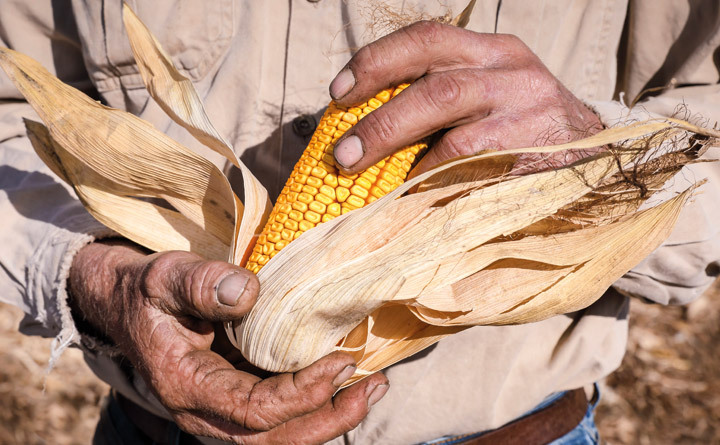
Pannar’s cultivars are developed from leading, diverse sources of genetics and best express their full genetic potential under good management practices. That is why our skilled agronomists are here to help you choose the right seed for your fields. Their objective, technical recommendations are based on data from scientific trials and aims to ensure that your crop performance lives up to or even exceeds your expectations, so use their expertise and service to your benefit. Honest, reliable, involved and knowledgeable, they offer a complete seed line-up and management guidelines to ensure sound crop production and risk mitigation whilst protecting the environment and preserving our natural resources for our future. Trust our agronomists to help you identify environmental risks and devise methods of reducing these risks to boost your efficiency and set you up for success.
We have a wealth of agronomic information and we’re going to help you find what you’re looking for and introduce you to products and services you never knew you needed! It will make searching for technical information online even more streamlined and insightful.
For the past few years, Pannar has been developing a digital platform to enable farmers to collect farm data, visualise it and analyse it to extract meaningful insights that help them make more informed decisions to achieve better yields and overall profitability. We’re currently testing its powerful query capabilities on real farm datasets and we’re excited to bring you this new innovation in due course.
The Panagri™ practical farming research and the Panacea® complete seed and crop protection initiatives are outlined below:
The Panagri™ practical farming research initiative seeks to provide farmers with practical advice on how to optimise all the disciplines that play key roles in progressive crop production, including fertilisation practices, cultivar selection, optimal plant population, crop rotation, tillage and use of agricultural chemicals.
Panacea® seed and crop protection is the label under which Pannar develops seed treatment programmes for optimal germination, plant population and seedling protection as well as first-class advice for the identification and control of diseases and pests that occur on farmers’ crops from time-to-time. This includes Fungicide and Insecticide Spray Programmes, which offer guidelines for the control of such outbreaks (including chemical control of stalk borer on conventional and glyphosate tolerant hybrids).
Panacea® seed and crop protection is the label under which Pannar develops seed treatment programmes for optimal germination, plant population, and seedling protection as well as first-class advice for the identification and control of diseases and pests that occur on farmers’ crops from time to time. This includes fungicide and insecticide spray programmes, which offer guidelines for the control of such outbreaks (including chemical control of stalk borer on conventional and glyphosate-tolerant hybrids).
High yield potentials start with a uniform and healthy plant population. The Panacea® seed treatment package protects your seed and seedlings from a variety of early-season insects, as well as soil- and seed-borne diseases, for a great head start. Panacea® seed treatments are designed, verified and proven to work with Pannar® brand genetics, giving farmers a higher level of confidence in their seed treatment options.
We assess hundreds of product concept combinations to develop optimal seed treatment formulations for our genetic line-up. Each year, we rigorously validate these combinations in labs, greenhouses, and farmers' fields.
Panacea® seed treatments address:
■ Plantability
■ Cold tolerance
■ Plant population establishment
■ Singulation
■ Early vigour
We evaluate our seed treatment combinations through a comprehensive process that considers not only factors such as seed safety and plantability, but also the efficacy and responsible stewardship of each formulation. Only treatments that meet our highest standards throughout this process earn the Panacea® mark of assurance.
Our treated seed is evaluated by farmers through our Field Test Network, using real planters under real conditions. This on-farm testing is combined with our large-scale IMPACT™ programme, which conducts over 60,000 plot evaluations annually. This ensures Panacea® seed treatments are effective across all Pannar® brand hybrids and cultivars.
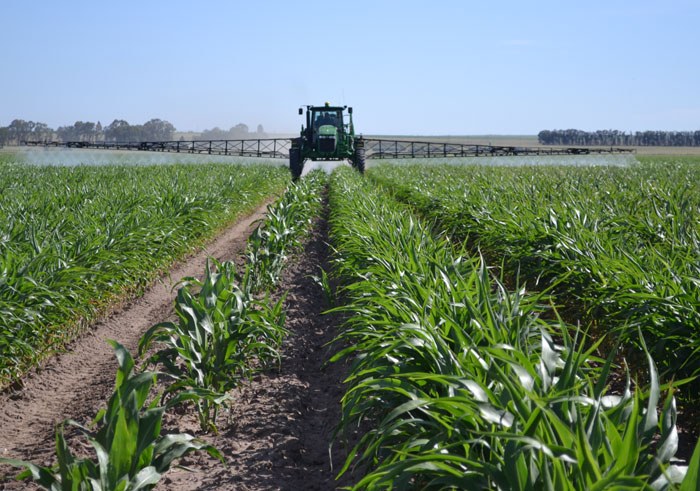
Under the Panacea® programme, Pannar recommends fungicide and insecticide spray programmes based on Pannar’s on-farm P3 trials to protect crop yield and quality.
Certain hybrids show significant yield improvement with appropriate fungicide sprays, especially in high disease pressure situations. Depending on the hybrid, season, and environment, one or more fungicide applications can enhance yield and agronomic performance. Contact your Pannar sales representative to learn which hybrids and environments respond best to fungicides.
For insect control, Pannar advises an Integrated Pest Management (IPM) strategy, including crop rotation, cultural and biological controls (e.g. opting for products with insect-resistant biotech traits), pest scouting, and using appropriate pest thresholds for insecticide application.
Time of Applicant | Two (2) Spray Programme | Three (3) Spray Programme |
|---|---|---|
FIRST APPLICATION | Strobilurin/ Triazole Combination Fungicide1 | Strobilurin/ Triazole Combination Fungicide1 |
SECOND APPLICATION | Triazole or Triazol/Carbendazim Fungicide2 | Triazole or Triazol/Carbendazim Fungicide2 |
THIRD APPLICATION REQUIRED | Triazole or Triazol/Carbendazim Fungicide2 |
1 Examples of products in this group include Amistar Top® (Syngenta), Abacus® Advance (BASF), Nativo® (Bayer).
2 Examples of products in this group include Artea® (Syngenta), Duett® Ultra (BASF), Zantara® (Bayer), Miravis Neo (Syngenta).
3 Try to avoid spraying during the V10 to VT growth stages, which are high risk for *Arrested Ear Development (AED) as well as flowering (pollination problems).
Important: Refer to the label for rates and instructions. Use only as indicated on the label.
NOTE: Important to rotate products as per spray programme and not to continue using the same product throughout the season. This is to prevent the build-up of resistance in the pathogen to a fungicide. (FRAC = Fungicide Resistance Action Committee. The purpose of FRAC is to provide fungicide resistance management guidelines to prolong the effectiveness of “at risk” fungicides and to limit crop losses should resistance occur).


Put the power back in your hands in the fight against key above-ground pests with PowerCore™ technology - a high-performing, insect-resistant seed trait that effectively helps to protect crops from destructive above-ground lepidopteran pests, such as the Maize Stalk Borer and Spotted Maize Stem Borer.
The PowerCore™ trait comprises three different Bacilus thuringiensis (Bt) -proteins, each targeting insects differently and thereby helping to prolong the durability of the technology. PowerCore™ technology also confers herbicide resistance to glyphosate herbicides. Its unique combination of three Bt-proteins with glyphosate tolerance give it excellent control of pests and weeds. This exceptional trait technology is now available in six new maize hybrids with excellent top-end yield potential.
| Yellow Maize Hybrids with PowerCore™ Technology | White Maize Hybrids with PowerCore™ Technology |
|---|---|
| PAN 3P-924PW PAN 3P-912PW PAN 4P-928PW PAN 4P-932PW PAN 4P-938PW (NEW) PAN 4P-952PW PAN 6P-984PW (NEW) | PAN 3P-973PW
|
PowerCore™ multi-event technology developed by Vylor and Monsanto.PowerCore™ is a trademark of Monsanto Technology LLC.
Maize in Africa is attacked by many lepidopteran pests. These pests cause severe damage to maize and crop loss varies depending on the time and level of stem borer infestation.
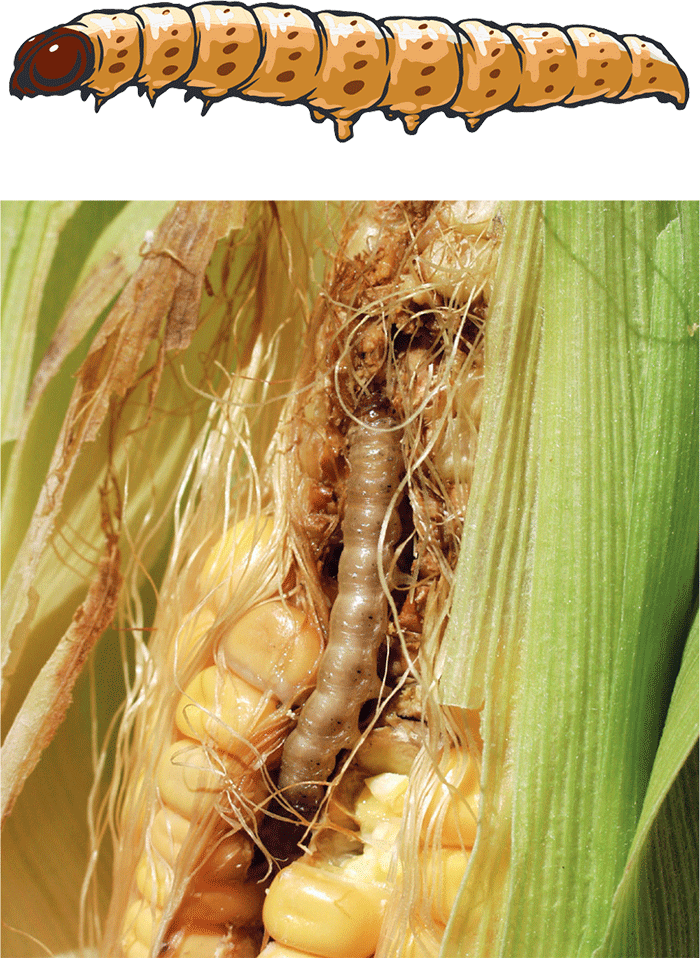
Maize Stalk Borer (Busseola fusca) is the most injurious of maize stem borer in South Africa and occurs at altitudes ranging from sea level to 2 000 m above sea level. It is widespread throughout the maize production triangle of the country.
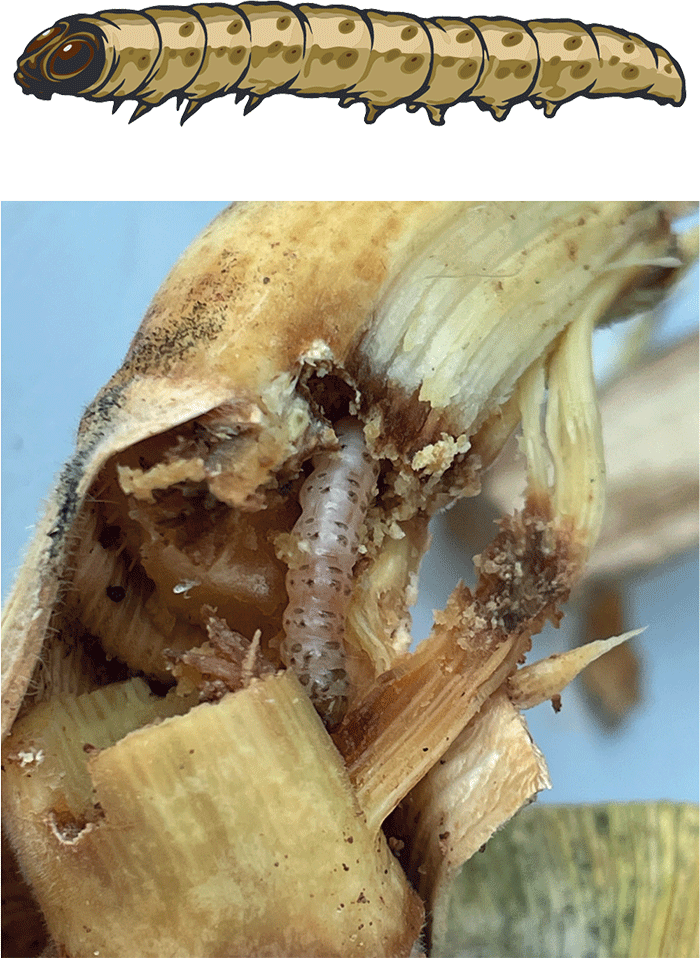
Spotted Maize Stem Borer (Chilo partellus) is a stem boring insect that is a serious threat to maize as well as milet and sorghum. These stem borer caterpillars damage crops by boring or tunnelling inside their plant stems.
PowerCore™ multi-event technology developed by Vylor and Monsanto. PowerCore™ is a trademark of Monsanto Technology LLC.
TM ® SM Trademarks and service marks of Vylor and its affiliated companies. © 2023 Vylor

Stewardship is a life cycle approach to product management. It is the responsible way to manage our technologies and plant products, from their discovery and development, to their use and eventual discontinuation. Pannar is committed to bringing new technologies to the marketplace in a responsible manner and promotes the practices of responsible Insect Resistance Management (IRM), Herbicide Resistance Management, and Grain Marketing decisions, to ensure crop options.

As a trait developer, Pannar helps to ensure that biotech trait technologies are grown and marketed in a manner that meets all regulatory requirements in South Africa. Growers must sign a Technology Use Agreement (TUA) before obtaining, planting, or growing seed products containing biotech trait technologies. A TUA must be signed annually, as it is valid for one (1) year only.

Stewardship is achieved by adherence to the TUA, Product Use Guides, and Product Labels. The Product Use Guides set forth the requirements for growing Pannar seed products containing trait technologies. These requirements include adhering to applicable IRM and Herbicide Resistant Management practices. Compliance with the terms in the Product Use Guides and the TUA delays the development of insect resistance to incorporated plant protection technologies and helps to maintain the long-term durability of these technologies. It is essential to maintaining growers’ access to and use of trait technologies.


